Category: Dog Breeds

  • Beagle

    Beagle

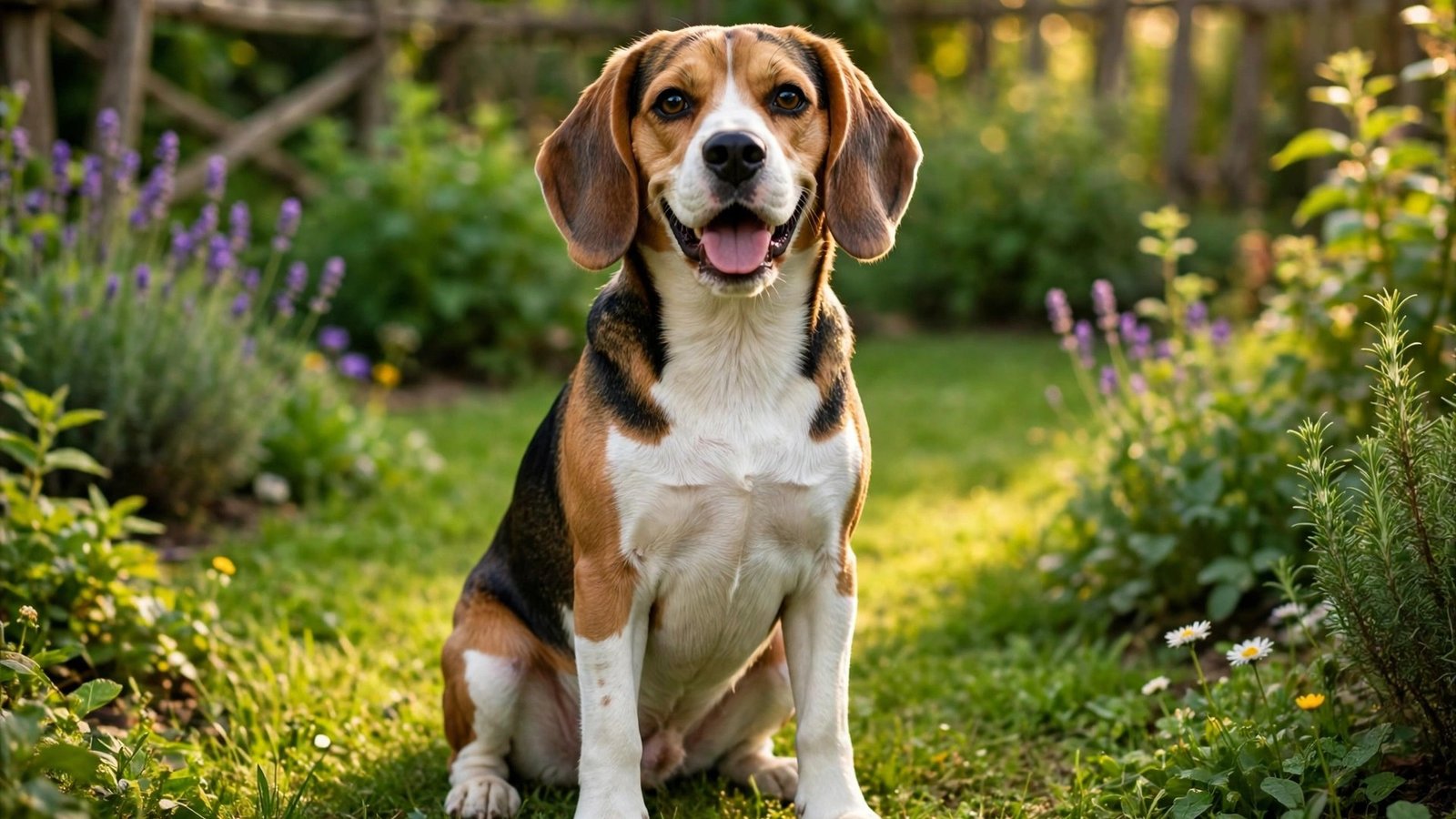
    The Beagle is a merry, curious little hound with the best nose in the dog world. Bred in England for hunting hares in packs, Beagles are friendly, fun-loving, and famously food-driven. They are wonderful family dogs — but they follow their nose everywhere, so a Beagle owner needs patience, a secure garden, and a good sense of humour.

    Quick Facts

    • Origin: England
    • Group: Hound
    • Lifespan: 12–15 years
    • Weight: 9–11 kg
    • Height: 33–41 cm at the shoulder
    • Temperament: Merry, curious, friendly, stubborn
    • Good with kids: Yes — playful and tolerant with children
    • Good with other pets: Yes, especially with other dogs (pack animals)
    • Exercise needs: Moderate to high — about 1–1.5 hours a day
    • Grooming: Low — short coat, easy care

    Temperament & Personality

    Beagles are cheerful and social. They love people, love other dogs, and are wonderful with children. They were bred to work in packs, so they hate being alone — a lonely Beagle will howl, and a bored Beagle will dig, chew, and escape. They are also famously stubborn and nose-led. A Beagle that catches an interesting scent will switch off its ears and follow it, which is why recall training and a secure garden matter so much. Their baying howl is loud and distinctive — neighbours will know you have a Beagle.

    Health

    Beagles are generally healthy and long-lived. Known issues include ear infections (long ears trap moisture), hip dysplasia, eye conditions, epilepsy in some lines, and weight gain — Beagles are always hungry and will steal food given half a chance. Keep the dog lean, clean ears regularly, and buy from a breeder who health-tests the parents.

    Training

    Beagles are clever but independent, and food is the key to training them. Use treats, keep sessions short and fun, and start recall training early — but never fully trust a Beagle off the lead in an open area, because the nose always wins. Socialisation is important, and crate training helps with house training. Patience is essential: Beagles learn at their own pace.

    Food & Nutrition

    A Beagle needs strictly measured meals — this breed will eat until the bowl is empty and then look for more. Two measured meals a day of a good-quality complete food, with treats counted as part of the daily intake, keeps weight under control. Never leave food within reach. A vet can advise the right amount for your dog’s age and activity.

    Grooming

    The Beagle’s short coat is very easy to care for: a weekly brush is enough, and baths only when dirty. The main grooming jobs are ears — check and clean them weekly — and nails. Beagles shed moderately all year.

    Exercise

    A Beagle needs about 1–1.5 hours of activity a day: walks, play, and scent games. They love sniffing, so walks should include plenty of time to explore with the nose. A secure garden is important — Beagles are escape artists who follow scents under and over fences. Puzzle feeders and scent work tire them out mentally.

    Is the Beagle Right for You?

    The Beagle suits active families who want a friendly, fun, medium-sized dog and can give it company, exercise, and a secure garden. It is less suited to people who are away all day, who need a quiet dog (Beagles howl), or who want perfect off-lead recall.

    FAQs

    Are Beagles good for first-time owners?

    Yes, if the owner is patient. Beagles are friendly and loving, but stubborn and nose-led, so training takes consistency.

    Do Beagles shed a lot?

    Moderately. Their short coat sheds all year but is easy to manage with a weekly brush.

    How much exercise does a Beagle need every day?

    About 1–1.5 hours of walks and play, plus scent games to keep the mind busy.
    Related Breeds

  • Bulldog

    Bulldog

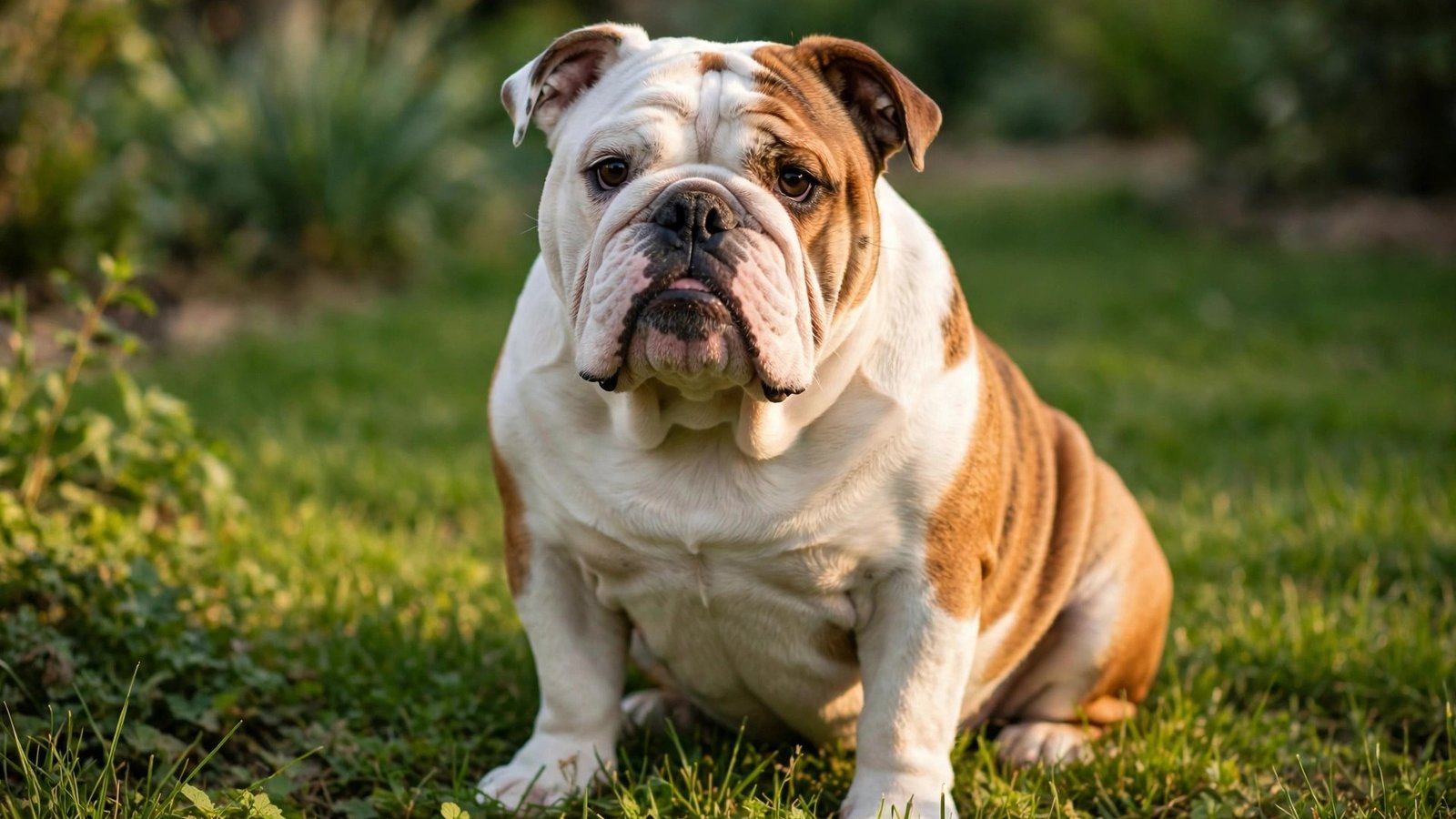
    The Bulldog — the English Bulldog — is a calm, loyal, and deeply charming companion with a face nobody forgets. Once a bull-baiting dog in England, the modern Bulldog has been bred for temperament for over a century and is now a gentle, affectionate family dog that is happiest on the sofa with its people.

    Quick Facts

    • Origin: England
    • Group: Non-Sporting
    • Lifespan: 8–10 years
    • Weight: 18–25 kg
    • Height: 31–40 cm at the shoulder
    • Temperament: Calm, loyal, friendly, stubborn
    • Good with kids: Yes — patient and gentle with children
    • Good with other pets: Usually yes, with socialisation
    • Exercise needs: Low to moderate — about 30–60 minutes a day
    • Grooming: Low coat care, but skin folds need regular cleaning

    Temperament & Personality

    Bulldogs are calm, steady, and loyal. They bond closely with their family, love children, and are famously patient. They are not hyper or demanding — a Bulldog is content with a short walk and a long nap, and they make excellent apartment dogs. They do have a stubborn streak. A Bulldog will happily ignore a command it does not feel like following, so training needs patience and good treats. They are also comical, snoring, snorting companions with huge personalities.

    Health

    Bulldogs need more health awareness than most breeds. Their flat face (brachycephalic) means they can struggle to breathe, snore loudly, and overheat easily — never exercise a Bulldog in hot weather, and keep it cool in summer. They are prone to skin infections in their facial folds, hip dysplasia, eye problems, and breathing issues. Buy from a breeder who health-tests and breeds for better breathing, keep the dog lean, and choose a vet experienced with flat-faced breeds.

    Training

    Bulldogs are intelligent but stubborn, so training works best with short, fun sessions, plenty of treats, and patience. Start socialisation early so the puppy grows confident around people and other dogs. House training can take a little longer than average. Never use harsh methods — a Bulldog responds to encouragement, not force.

    Food & Nutrition

    Bulldogs gain weight easily, and extra weight makes their breathing and joints worse. Feed measured meals of a good-quality complete food, keep treats small, and watch the waistline. Two meals a day suits most adults. A vet can advise the right amount for your dog. Fresh water should always be available, and the dog should not eat right before exercise.

    Grooming

    The Bulldog’s short coat is easy: a weekly brush is enough. The important job is the skin folds on the face — clean and dry them regularly to prevent infection. Also clean the tail pocket if your dog has one, check ears, and trim nails. Bulldogs drool and can be gassy, which is part of the charm.

    Exercise

    A Bulldog needs about 30–60 minutes of gentle activity a day — short walks and play. They are not built for running, long hikes, or heat. In warm weather, walk early in the morning or late in the evening, carry water, and watch for heavy panting. Swimming is not safe for most Bulldogs because of their heavy build.

    Is the Bulldog Right for You?

    The Bulldog suits calm homes, apartment living, and owners who want a loyal, low-energy companion and can manage its health needs and cleaning routine. It is less suited to very hot climates, very active owners, or anyone unprepared for vet bills and daily fold cleaning.

    FAQs

    Are Bulldogs good for first-time owners?

    Yes, if the owner understands the breed’s health needs. Bulldogs are calm and loving, but they need an owner who takes breathing, heat, and weight seriously.

    Do Bulldogs shed a lot?

    Moderately. They shed all year, but the short coat is easy to manage with a weekly brush.

    How much exercise does a Bulldog need every day?

    About 30–60 minutes of gentle walking and play. Avoid exercise in heat.

  • Golden Retriever

    Golden Retriever

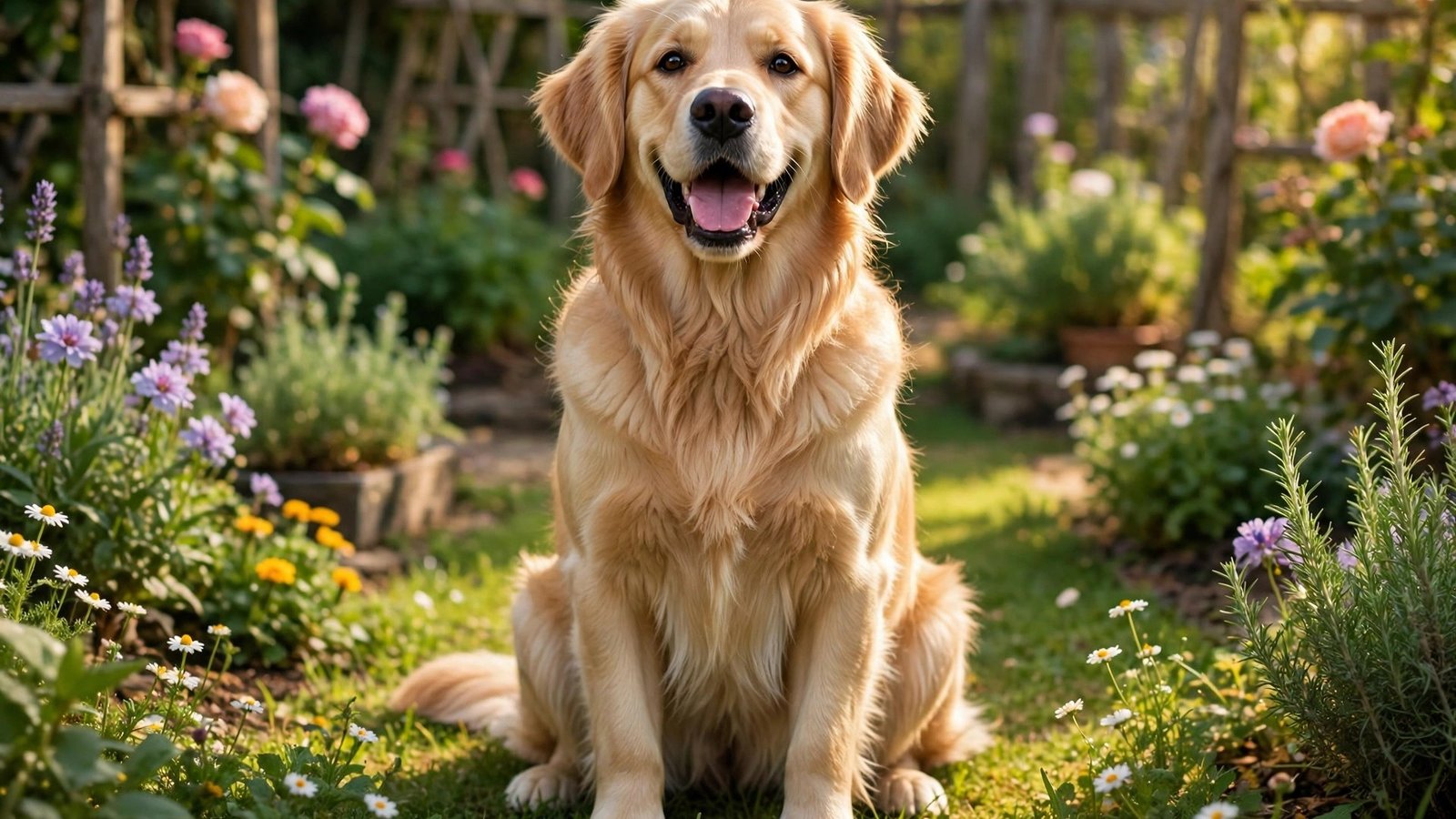
    The Golden Retriever is the gentle golden-hearted family dog. Developed in Scotland in the 1800s as a gundog for retrieving game, it combines a soft mouth, a love of water, and a famously sweet nature. Goldens are patient with children, friendly with strangers, and happiest when they are part of family life.

    Quick Facts

    • Origin: Scotland
    • Group: Sporting (Gun Dog)
    • Lifespan: 10–12 years
    • Weight: 25–34 kg
    • Height: 51–61 cm at the shoulder
    • Temperament: Friendly, gentle, loyal, eager to please
    • Good with kids: Yes — one of the best family breeds
    • Good with other pets: Yes, very sociable
    • Exercise needs: High — about 1–2 hours a day
    • Grooming: Moderate to high — long coat needs regular brushing

    Temperament & Personality

    Golden Retrievers are famously gentle and friendly. They love people of all ages, get along with other dogs and pets, and rarely show aggression. They are patient with children and often seem to understand when to be calm around little ones. Goldens are also deeply people-focused and can suffer if left alone for long periods. They are not guard dogs — a Golden is more likely to welcome a stranger with a wagging tail than to warn them off. They stay playful and puppy-like well into adulthood.

    Health

    Goldens are generally healthy but the breed is prone to a few known issues: hip and elbow dysplasia, eye conditions such as cataracts, ear infections (those long ears trap moisture), and a higher-than-average risk of certain cancers. Buying from a breeder who health-tests the parents, keeping the dog lean, and regular vet checks all help. Clean the ears regularly, especially after swimming.

    Training

    Golden Retrievers are easy and enjoyable to train. They are food-motivated, eager to please, and quick learners, which is why they work as guide dogs, therapy dogs, and assistance dogs. Start training and socialisation early, use positive methods with treats and praise, and keep sessions fun. They respond badly to harsh handling — a Golden trained with kindness will do almost anything for you.

    Food & Nutrition

    An adult Golden does well on two measured meals a day of a good-quality complete food, with treats kept small. Goldens gain weight easily, so measure food rather than free-feeding and watch the waistline. Puppies should eat large-breed puppy food for steady growth. A vet can advise the right amount for your dog’s age and activity.

    Grooming

    The Golden’s long, feathered coat needs brushing two to three times a week to prevent tangles, and more often during shedding seasons. Baths only when dirty. The feathering on the legs, chest, and tail tangles easily, so a quick daily brush is ideal. Trim nails, clean ears, and check for mats behind the ears and under the legs.

    Exercise

    A Golden Retriever needs about 1–2 hours of activity a day: walks, play, and ideally swimming, which they adore. They also need mental work — retrieving games, scent work, and training keep them happy. A bored Golden will find its own entertainment, usually involving your shoes or the garden.

    Is the Golden Retriever Right for You?

    The Golden suits families, first-time owners, and anyone who wants a gentle, friendly, trainable companion and can give it company, exercise, and regular grooming. It is less suited to people who are away all day, or who want a guard dog or a low-shedding breed.

    FAQs

    Are Golden Retrievers good for first-time owners?

    Yes. Goldens are one of the best breeds for first-time owners — friendly, forgiving, and easy to train.

    Do Golden Retrievers shed a lot?

    Yes. They shed all year and more heavily in spring and autumn. Regular brushing keeps it manageable.

    How much exercise does a Golden Retriever need every day?

    About 1–2 hours of walks and play, plus training or games for the mind.

    Related Breeds

  • German Shepherd

    German Shepherd

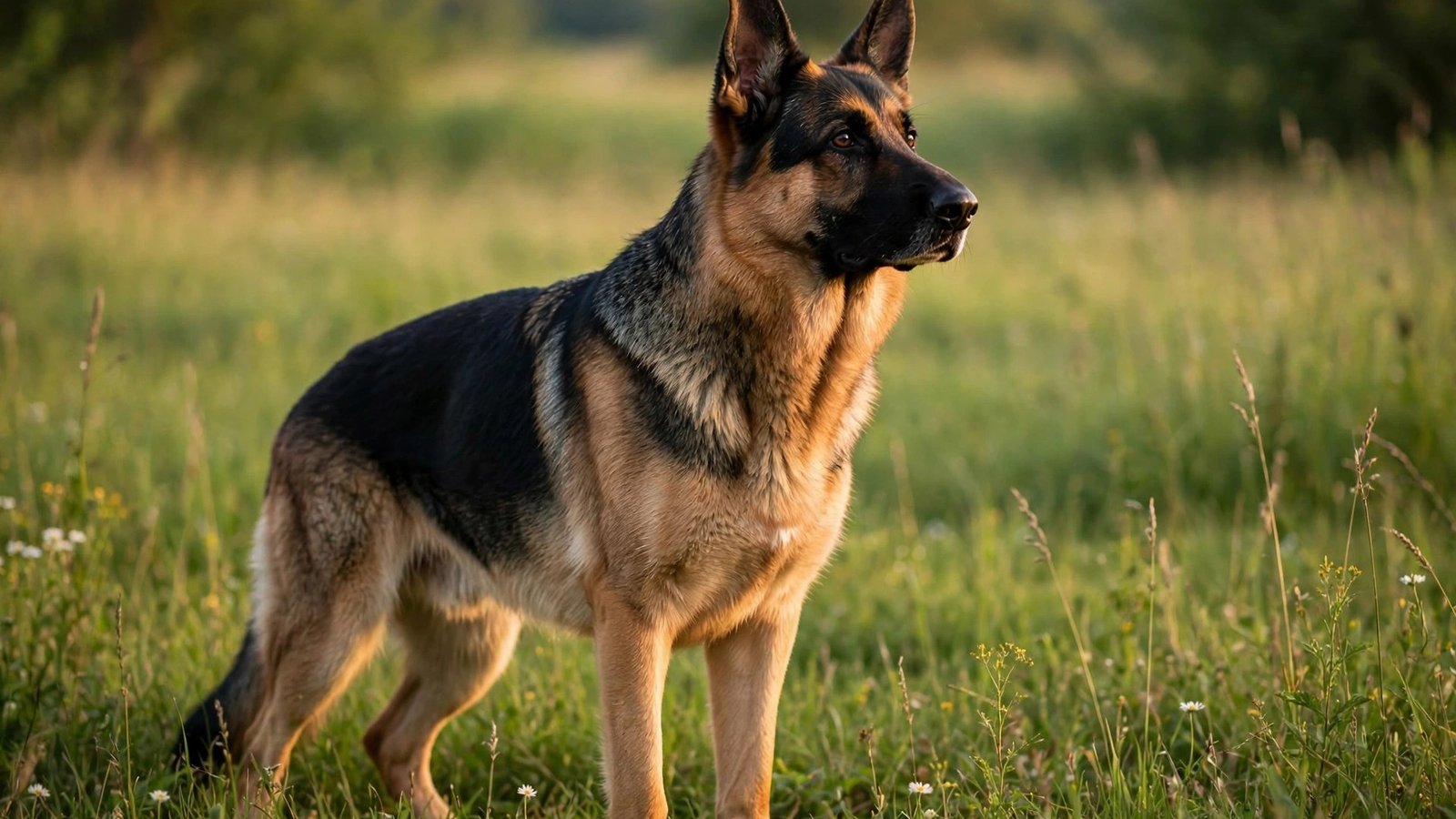
    The German Shepherd is one of the most capable and loyal dog breeds in the world. Developed in Germany in the late 1800s as a herding and working dog, it is now best known as a police, military, and service dog — but at home it is a devoted family companion that bonds deeply with its people and takes its job of watching over them very seriously.

    Quick Facts

    • Origin: Germany
    • Group: Herding / Working
    • Lifespan: 9–13 years
    • Weight: 22–40 kg
    • Height: 55–65 cm at the shoulder
    • Temperament: Loyal, intelligent, confident, watchful
    • Good with kids: Yes, with supervision and socialisation — best with older children
    • Good with other pets: With early socialisation, usually yes
    • Exercise needs: High — about 1–2 hours a day
    • Grooming: Moderate to high — heavy shedder

    Temperament & Personality

    German Shepherds are confident, loyal, and protective. They bond closely with their family and are naturally watchful around strangers, which makes them excellent guard dogs. With their own people they are affectionate and playful; with strangers they are reserved until they are sure there is no threat. This is a sensitive, intelligent breed. A German Shepherd that is well trained and well exercised is calm and steady. One that is bored or under-trained can become anxious, reactive, or destructive. They need an owner who is consistent and gives them direction.

    Health

    The best-known health concern in German Shepherds is hip and elbow dysplasia, which is why buying from a breeder who health-tests the parents matters. The breed can also be prone to bloat (gastric torsion), degenerative myelopathy in old age, and some eye and skin conditions. Feeding measured meals, avoiding exercise right after eating, keeping the dog lean, and regular vet checks all help.

    Training

    German Shepherds are among the easiest breeds to train — they learn fast and love having work to do. Early socialisation is essential: introduce the puppy to many people, dogs, places, and sounds so it grows into a confident adult rather than a fearful one. Use firm, fair, positive training. This breed thrives on structure, obedience work, tracking, and agility. Harsh methods backfire with a sensitive dog like this.

    Food & Nutrition

    An adult German Shepherd does well on two measured meals a day of a good-quality complete food suited to large, active breeds. Puppies should eat large-breed puppy food for steady growth. Because bloat is a risk, feed smaller meals rather than one large one, use a slow-feeder bowl if the dog gulps food, and rest the dog for an hour after eating. A vet can advise the right amount for your dog’s age and activity.

    Grooming

    German Shepherds have a dense double coat and shed heavily, especially twice a year when they “blow” their coat. Brush two to three times a week, daily during shedding seasons. Baths only when dirty. Check ears and trim nails regularly. Their coat is fairly easy to care for apart from the shedding.

    Exercise

    A German Shepherd needs about 1–2 hours of activity daily — walks, play, and training work. Mental work is just as important as physical exercise: obedience training, scent games, tracking, and agility keep this clever breed satisfied. A German Shepherd with a job is a happy dog.

    Is the German Shepherd Right for You?

    The German Shepherd suits experienced or committed owners who want a loyal, trainable, protective companion and can give it training, exercise, and structure every day. It is less suited to first-time owners who want a low-maintenance dog, or to homes where the dog would be left alone for long hours.

    FAQs

    Are German Shepherds good for first-time owners?

    They can be, but only for owners ready to commit to training and socialisation. A well-trained German Shepherd is a wonderful companion; an untrained one is a handful.

    Do German Shepherds shed a lot?

    Yes, heavily. They shed all year and blow their coat twice a year. Regular brushing is essential.

    How much exercise does a German Shepherd need every day?

    About 1–2 hours, plus training or mental work. They need a job, not just a walk.

    Related Breeds

  • Labrador Retriever

    Labrador Retriever

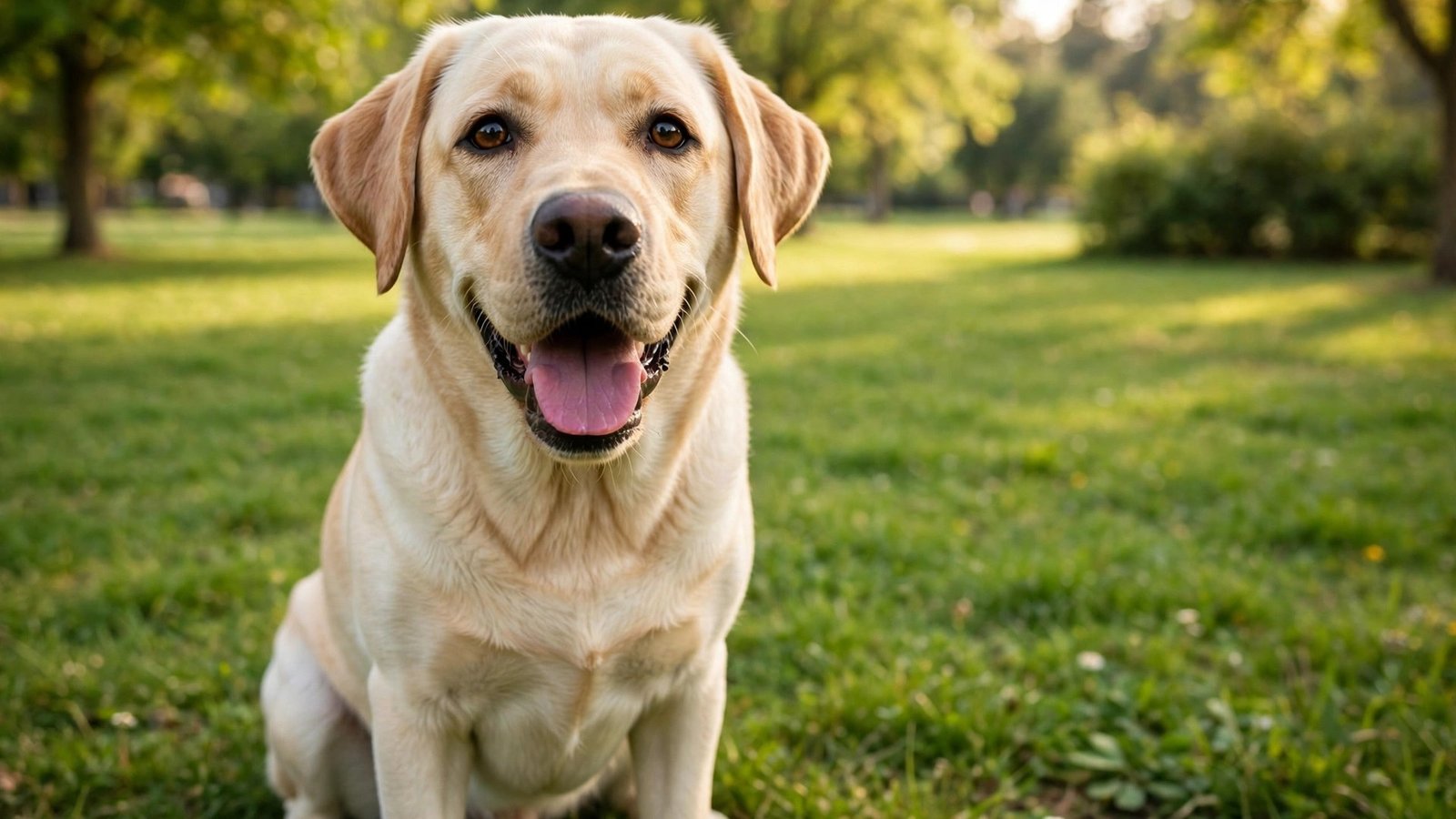
    The Labrador Retriever is the world’s most popular family dog, and for good reason. Originally a working dog from Newfoundland in Canada, the Labrador was bred to retrieve fishing nets and game, which gave it a gentle mouth, a love of water, and an endless willingness to please. Today it is the classic family companion — friendly with children, patient, and happiest when it is part of everything the family does.

    Quick Facts

    • Origin: Newfoundland, Canada
    • Group: Sporting (Gun Dog)
    • Lifespan: 10–12 years
    • Weight: 25–36 kg
    • Height: 55–62 cm at the shoulder
    • Temperament: Friendly, outgoing, loyal, gentle
    • Good with kids: Yes — one of the best breeds for families
    • Good with other pets: Yes, generally very sociable
    • Exercise needs: High — about 1–2 hours a day
    • Grooming: Moderate — sheds, especially in spring and autumn

    Temperament & Personality

    Labradors are famously friendly. They greet strangers like old friends, get along with other dogs, and are famously patient with children. They are not guard dogs — a Labrador is far more likely to welcome a visitor than to warn them off. They are also very people-focused. A Labrador left alone for long hours gets bored and unhappy, and a bored Labrador chews things. This is a breed that wants to be where its people are, whether that is a walk, a car ride, or just lying by your feet.

    Health

    Labradors are generally healthy, but the breed is prone to a few known issues: hip and elbow dysplasia, eye conditions such as progressive retinal atrophy, and weight gain. Labradors love food and gain weight easily, and extra weight makes joint problems worse. Regular vet checks, keeping the dog lean, and buying from a breeder who health-tests the parents all help.

    Training

    Labradors are one of the easiest breeds to train. They are food-motivated, eager to please, and quick to learn, which is why they work as guide dogs, assistance dogs, and search dogs. Start training and socialisation early, use positive methods with treats and praise, and give the dog a job to do — retrieving games and scent work suit them well. They stay puppy-like and excitable for a long time, often until two or three years old.

    Food & Nutrition

    A Labrador needs measured meals, not free feeding. An adult typically does well on two meals a day of a good-quality complete dog food, with treats kept to a small part of the daily intake. Puppies need food made for large-breed puppies, which supports steady growth. Always check with a vet for the right amount for your dog’s age, weight, and activity level, and keep fresh water available.

    Grooming

    The Labrador has a short, dense double coat that sheds all year and heavily twice a year. A weekly brush keeps it under control, with more frequent brushing during shedding seasons. Baths are only needed when the dog is dirty — too much bathing strips the coat’s natural oils. Check ears regularly, especially after swimming, and trim nails as needed.

    Exercise

    A Labrador needs about 1–2 hours of activity a day: walks, play, and ideally swimming, which they love. Mental exercise matters too — training games, puzzle feeders, and retrieving keep a clever Labrador busy. Without enough exercise, Labradors get restless and destructive.

    Is the Labrador Retriever Right for You?

    The Labrador suits active families, first-time owners, and anyone who wants a friendly, trainable companion and can give it time, exercise, and company. It is less suited to people who are away from home all day, or who want a quiet, low-energy dog — Labradors are big, bouncy, and shed a lot.

    FAQs

    Are Labrador Retrievers good for first-time owners?

    Yes. Labradors are one of the best breeds for first-time owners because they are friendly, forgiving, and easy to train.

    Do Labrador Retrievers shed a lot?

    Yes. They shed all year round and heavily in spring and autumn. Weekly brushing helps, but some hair around the house is unavoidable.

    How much exercise does a Labrador need every day?

    About 1–2 hours of walks and play, plus training or games to keep the mind busy.

    Related Breeds