
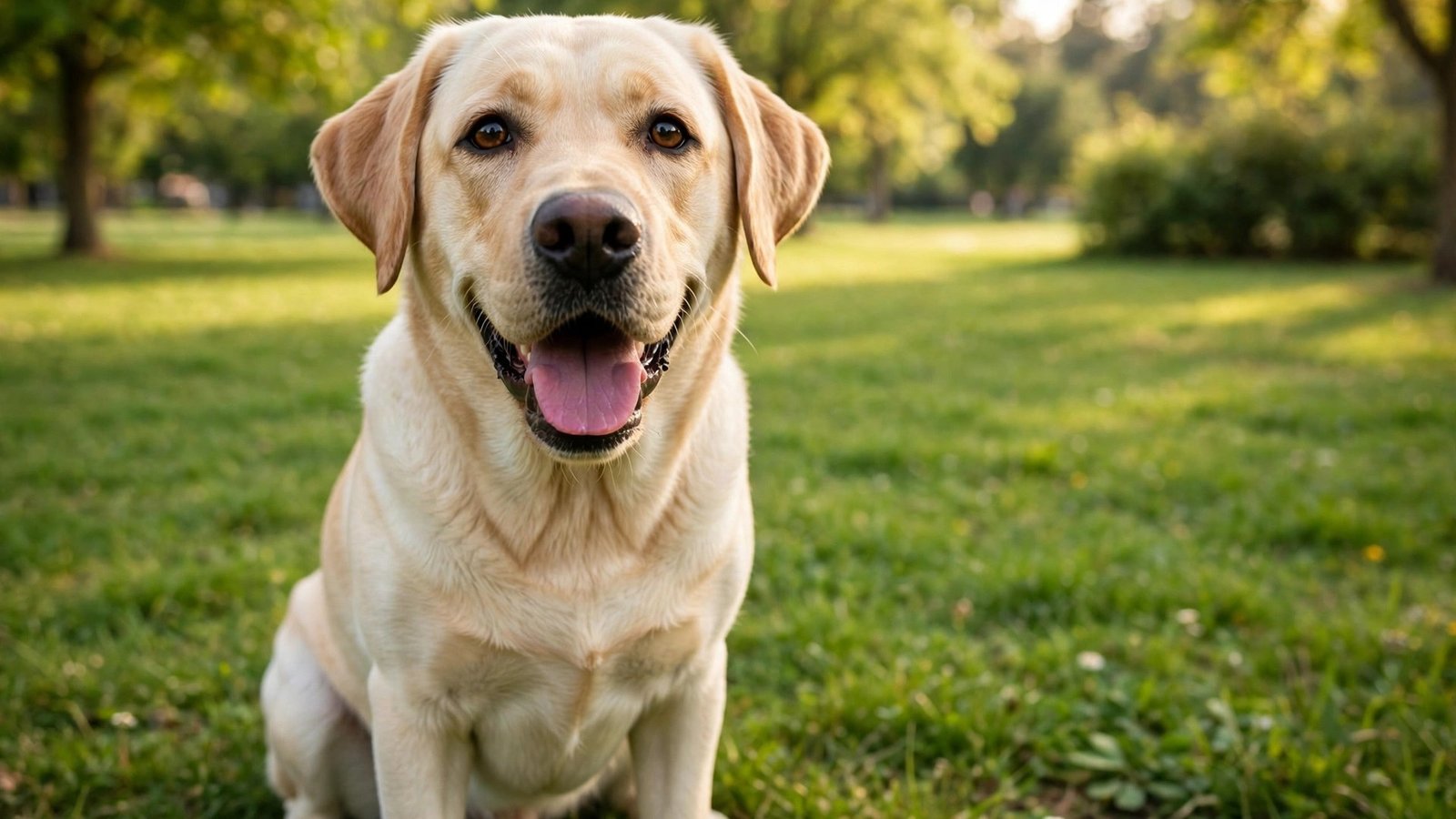
The Labrador Retriever is the world’s most popular family dog, and for good reason. Originally a working dog from Newfoundland in Canada, the Labrador was bred to retrieve fishing nets and game, which gave it a gentle mouth, a love of water, and an endless willingness to please. Today it is the classic family companion — friendly with children, patient, and happiest when it is part of everything the family does.
Quick Facts
- Origin: Newfoundland, Canada
- Group: Sporting (Gun Dog)
- Lifespan: 10–12 years
- Weight: 25–36 kg
- Height: 55–62 cm at the shoulder
- Temperament: Friendly, outgoing, loyal, gentle
- Good with kids: Yes — one of the best breeds for families
- Good with other pets: Yes, generally very sociable
- Exercise needs: High — about 1–2 hours a day
- Grooming: Moderate — sheds, especially in spring and autumn
Temperament & Personality
Labradors are famously friendly. They greet strangers like old friends, get along with other dogs, and are famously patient with children. They are not guard dogs — a Labrador is far more likely to welcome a visitor than to warn them off. They are also very people-focused. A Labrador left alone for long hours gets bored and unhappy, and a bored Labrador chews things. This is a breed that wants to be where its people are, whether that is a walk, a car ride, or just lying by your feet.
Health
Labradors are generally healthy, but the breed is prone to a few known issues: hip and elbow dysplasia, eye conditions such as progressive retinal atrophy, and weight gain. Labradors love food and gain weight easily, and extra weight makes joint problems worse. Regular vet checks, keeping the dog lean, and buying from a breeder who health-tests the parents all help.
Training
Labradors are one of the easiest breeds to train. They are food-motivated, eager to please, and quick to learn, which is why they work as guide dogs, assistance dogs, and search dogs. Start training and socialisation early, use positive methods with treats and praise, and give the dog a job to do — retrieving games and scent work suit them well. They stay puppy-like and excitable for a long time, often until two or three years old.
Food & Nutrition
A Labrador needs measured meals, not free feeding. An adult typically does well on two meals a day of a good-quality complete dog food, with treats kept to a small part of the daily intake. Puppies need food made for large-breed puppies, which supports steady growth. Always check with a vet for the right amount for your dog’s age, weight, and activity level, and keep fresh water available.
Grooming
The Labrador has a short, dense double coat that sheds all year and heavily twice a year. A weekly brush keeps it under control, with more frequent brushing during shedding seasons. Baths are only needed when the dog is dirty — too much bathing strips the coat’s natural oils. Check ears regularly, especially after swimming, and trim nails as needed.
Exercise
A Labrador needs about 1–2 hours of activity a day: walks, play, and ideally swimming, which they love. Mental exercise matters too — training games, puzzle feeders, and retrieving keep a clever Labrador busy. Without enough exercise, Labradors get restless and destructive.
Is the Labrador Retriever Right for You?
The Labrador suits active families, first-time owners, and anyone who wants a friendly, trainable companion and can give it time, exercise, and company. It is less suited to people who are away from home all day, or who want a quiet, low-energy dog — Labradors are big, bouncy, and shed a lot.
FAQs
Are Labrador Retrievers good for first-time owners?
Yes. Labradors are one of the best breeds for first-time owners because they are friendly, forgiving, and easy to train.
Do Labrador Retrievers shed a lot?
Yes. They shed all year round and heavily in spring and autumn. Weekly brushing helps, but some hair around the house is unavoidable.
How much exercise does a Labrador need every day?
About 1–2 hours of walks and play, plus training or games to keep the mind busy.
Leave a Reply